Buying a Home in St. John's During Winter: Buyer's Guide
Buying
Buying a Home in St. John's During Winter: What Buyers Should Know
Thinking about buying a home in St. John's during winter? Learn what to inspect, how weather affects viewings and what buyers should consider before making an offer.
By Felix OyelekeREALTOR · eXp Realty · Newfoundland & Labrador
November 9, 2026 · 10 min read
Buying a Home in St. John's During Winter: What Buyers Should Know
Winter does not have to put your home-buying plans on hold.
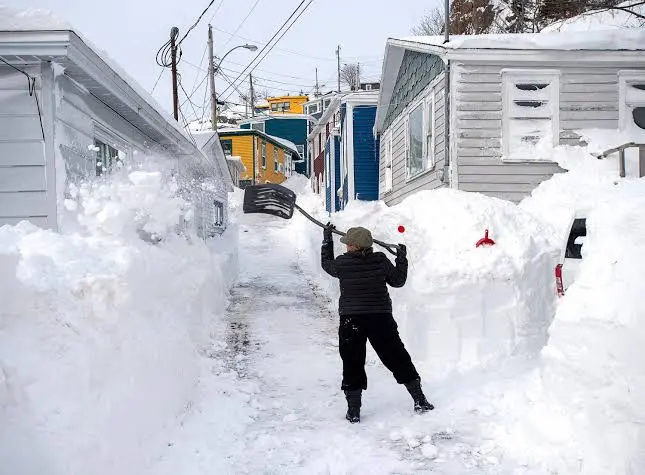
In St. John's and the surrounding communities, winter brings a different set of considerations for anyone looking to purchase a property. Snowfall, freezing temperatures, shorter daylight hours and changing road conditions can all influence how you view a home and evaluate its condition.
However, buying during the colder months can also provide an opportunity to assess aspects of a property that may be less obvious during spring and summer.
If you are considering buying a home in St. John's, Paradise, Mount Pearl, Conception Bay South or another nearby community, understanding what to look for during winter can help you make a more informed decision.
This guide explains what to inspect, how to approach winter viewings and which questions to ask before making an offer.
1. Understand What Winter Can Reveal About a Property
A property can look very different in January than it does in July.
Snow and ice can conceal parts of the exterior, but winter conditions may also reveal issues that are difficult to identify during warmer months.
Pay attention to:
Signs of drafts around windows and exterior doors.
Snow accumulation around entrances and foundations.
Areas where water may collect or freeze.
Evidence of moisture or water infiltration.
Do not assume that every winter-related issue indicates a serious defect. However, anything that raises concerns should be investigated before proceeding with the purchase.
A professional home inspection can help identify problems that may not be apparent during a viewing.
2. Pay Close Attention to Heating and Energy Efficiency
Heating is an important consideration when purchasing a home in Newfoundland and Labrador.
The property's heating system, insulation, windows and overall building condition can influence comfort and ongoing ownership costs.
Ask about the heating system
Find out:
What type of heating system does the property use?
Is the home heated by electricity, oil, propane, natural gas or another source?
How old is the heating equipment?
When was it last serviced?
Are there maintenance records available?
Does the system heat all areas of the home consistently?
Review utility costs
Where available, ask the seller for recent utility bills.
Consider reviewing costs across different seasons rather than relying on a single month's bill.
Electricity and heating expenses can vary depending on:
Property size.
Insulation quality.
Heating equipment and fuel source.
Window and door condition.
Occupancy patterns.
Thermostat settings.
Weather conditions.
A larger property may have higher heating expenses, but size alone does not determine energy efficiency.
Check insulation and windows
During your viewing, pay attention to:
Drafts around windows and doors.
Cold areas near exterior walls.
Attic insulation, where accessible.
Basement insulation and signs of moisture.
Window condition and age.
Weatherstripping around exterior doors.
If you have concerns, ask your inspector to examine these areas more closely.
3. Inspect the Roof, Gutters and Exterior Carefully
Winter weather can make exterior inspections more challenging.
Snow may cover shingles, flashing, roof valleys and other areas that would normally be visible during warmer months.
During your viewing, look for visible warning signs.
Roof and drainage
Pay attention to:
Missing or damaged shingles where visible.
Signs of water staining on interior ceilings.
Ice buildup along roof edges.
Damaged or detached gutters.
Downspouts directing water towards the foundation.
Evidence of previous roof leaks.
Ice dams can develop when snow melts on warmer roof sections and refreezes near colder roof edges. Their presence can be associated with heat loss, ventilation or drainage issues, but the cause should be assessed by a qualified professional.
Foundation and exterior walls
Look for:
Visible foundation cracks.
Signs of water entering the basement.
Exterior drainage concerns.
Deteriorating siding or exterior finishes.
Snow piled against vulnerable areas of the building.
Snow can conceal important exterior details. If an area cannot be properly assessed during winter, ask whether additional inspection is possible when conditions permit.
4. Check Driveways, Parking and Snow Removal
A property's driveway and parking arrangements can have a significant effect on everyday convenience during winter.
A driveway that looks spacious during summer may become more difficult to use when snow accumulates.
Consider:
How many vehicles can comfortably park on the property?
Is the driveway steep?
Is there sufficient room to turn vehicles around?
Where will snow be stored after clearing?
Is there a suitable area for a snowblower?
Are walkways accessible and reasonably easy to maintain?
Is the property located on a road that may be difficult to access during severe weather?
For condominium and townhouse properties, ask who is responsible for snow clearing and whether those responsibilities are included in the monthly fees.
For detached homes, understand the maintenance responsibilities that come with the property.
5. Evaluate the Neighbourhood During Winter
Choosing a property is not just about the building. You also need to understand what living in the surrounding neighbourhood will be like.
Winter provides an opportunity to assess certain practical aspects of the location.
Consider:
Road access
How accessible is the street during snowfall?
Is the road steep or particularly exposed?
Are there alternative routes to major roads?
How convenient is the commute during winter conditions?
Parking and transportation
Is there sufficient street parking?
Are sidewalks maintained?
Is public transportation accessible if required?
Are nearby essential services reasonably convenient?
Everyday amenities
Consider the distance to:
Grocery stores.
Pharmacies.
Healthcare facilities.
Schools and childcare.
Recreation facilities.
Public transportation.
Your workplace or regular destinations.
A location that is convenient in summer should also work for your everyday routine during winter.
6. Do Not Rush Through a Winter Viewing
Winter viewings require a little more attention.
Snow, wet footwear and shorter daylight hours can make it easier to overlook details when moving quickly through a property.
Give yourself enough time to inspect the home properly.
What to check inside
Open and close windows where appropriate.
Check that interior doors operate properly.
Look for visible moisture around windows.
Pay attention to unusual smells.
Inspect ceilings for water staining.
Look for visible cracks and signs of previous repairs.
Check basement walls and floors for moisture concerns.
Observe whether rooms feel consistently heated.
What to check outside
Where conditions allow, examine:
Driveway condition.
Exterior steps and railings.
Parking arrangements.
Visible foundation areas.
Drainage around the property.
Exterior doors and windows.
Snow and ice accumulation.
If the property is being viewed in the evening, consider arranging a second viewing during daylight hours.
Natural light can help you better assess room conditions, exterior features and the surrounding environment.
7. Understand the Importance of a Professional Home Inspection
A winter viewing should never replace a professional home inspection.
An inspector can assess important components of the property and identify concerns that may not be obvious to a prospective buyer.
Depending on the property and inspection arrangements, areas of attention may include:
Roofing and visible roof components.
Foundation and structural elements.
Electrical systems.
Plumbing.
Heating and ventilation.
Insulation and ventilation.
Windows and doors.
Interior and exterior moisture concerns.
Winter conditions may limit access to certain areas, particularly where snow or ice is covering exterior components.
Ask your inspector to explain any limitations and identify areas that may require further assessment.
You should also review the inspection report carefully and obtain specialist advice where recommended.
8. Understand Your Financing and Closing Arrangements
Buying a home during winter involves the same important financial decisions as buying during any other season.
Before making an offer, make sure you understand your financial position.
Consider:
Your mortgage pre-approval.
Your available down payment.
Legal fees and closing costs.
Property insurance requirements.
Property taxes and adjustments.
Moving expenses.
Immediate maintenance or repair costs.
Speak with your mortgage professional about your financing options and confirm that your budget accounts for ongoing homeownership expenses.
Pay attention to closing and possession dates
Winter weather can complicate moving arrangements.
Before agreeing to a closing date, consider:
Availability of moving companies.
Weather-related travel delays.
Access to the property.
Utility transfers.
Insurance arrangements.
Coordination with your current landlord or property.
Allow enough flexibility to manage unexpected delays.
9. Should You Buy a Home in Winter or Wait Until Spring?
There is no universally correct season to purchase a home.
The right timing depends on your financial readiness, property requirements and the opportunities available in the market.
Potential advantages of buying during winter
You can evaluate how a property performs during colder weather.
You may encounter less competition for certain properties.
You can assess driveway access and snow-clearing arrangements.
You can experience the neighbourhood under winter conditions.
You may be able to plan a move before the busier spring buying season.
These are possibilities rather than guarantees. Competition and available inventory vary from one market period to another.
Potential challenges of buying during winter
Snow can conceal exterior defects.
Weather can make property viewings more difficult.
Moving arrangements may be affected by storms.
Shorter daylight hours can limit viewing opportunities.
Some exterior inspections may need additional attention.
A simple way to decide
Buying during winter may make sense if:
You are financially prepared.
You find a property that meets your requirements.
You have completed appropriate inspections.
You understand the property's condition and maintenance responsibilities.
The purchase fits your intended timeline.
Waiting until spring may make sense if:
You are not yet financially prepared.
You need more time to research neighbourhoods.
You have not found a suitable property.
Weather conditions prevent a proper assessment of important areas.
Do not purchase a property simply because you believe one season is better than another. Focus on the quality of the property, your financial readiness and whether the home meets your needs.
10. Your Winter Home-Buying Checklist
Before making an offer on a property during winter, use this checklist to organize your due diligence.
Property condition
☐ Check windows and doors for visible drafts.
☐ Ask about heating equipment and maintenance history.
☐ Review available utility bills.
☐ Look for signs of moisture or water infiltration.
☐ Check visible roof and gutter conditions.
☐ Examine the basement for dampness or staining.
☐ Arrange a professional home inspection.
Exterior and access
☐ Assess driveway slope and parking capacity.
☐ Consider snow-clearing responsibilities.
☐ Check walkways, steps and railings.
☐ Review visible drainage conditions.
☐ Ask about areas concealed by snow.
Location and lifestyle
☐ Assess winter road access.
☐ Consider commuting arrangements.
☐ Check access to essential services.
☐ Review parking availability.
☐ Consider the neighbourhood's everyday convenience.
Financial and legal preparation
☐ Confirm mortgage pre-approval.
☐ Establish your complete purchase budget.
☐ Review property taxes and closing costs.
☐ Confirm insurance arrangements.
☐ Discuss offer conditions with your real estate professional.
☐ Review inspection findings before proceeding.
Final Thoughts: Make a Confident Winter Home Purchase
Buying a home in St. John's during winter can be a practical decision when approached carefully.
The colder months provide an opportunity to understand how a property handles heating, snow, ice and everyday winter conditions. At the same time, buyers need to recognize that snow and limited access can conceal certain exterior details.
Take your time, ask questions, review available property information and arrange appropriate professional inspections.
Most importantly, do not let the season pressure you into making a rushed decision.
The right home is one that meets your needs, fits your financial position and makes sense for your lifestyle throughout the year.
Looking for a Home in St. John's?
Whether you are searching for your first home, relocating to Newfoundland and Labrador or looking for a property that better suits your needs, St. John's Properties can help you explore available opportunities.


Comments
Loading comments…