By Felix OyelekeREALTOR · eXp Realty · Newfoundland & Labrador
November 1, 2026 · 14 min read
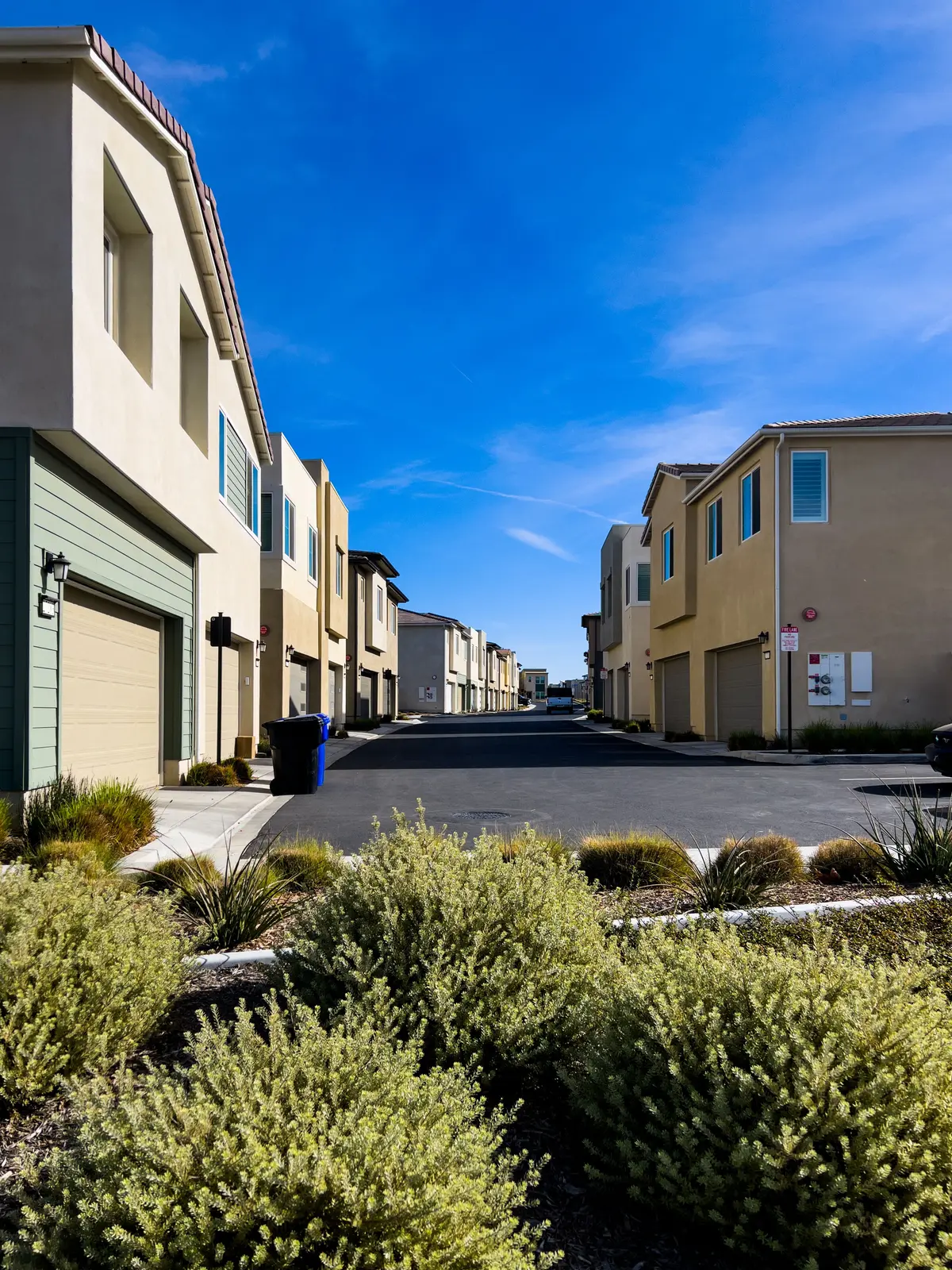
A quiet suburban residential street with modern houses in daylight
Eastridge is a newer subdivision in the east end of St. John's, inside the Airport Heights area. If you search for it by name, you will find listings that describe it as Eastridge Estates, and you will find other listings in the same part of the city that do not mention Eastridge at all. That naming problem is the first thing a buyer needs to understand about this neighbourhood, because it affects how you search, how you compare homes, and how you read any statistics attached to the name.
There is no official boundary for Eastridge. The City of St. John's does not publish a polygon for it, and it does not appear as a neighbourhood in the site's own neighbourhood list. This guide therefore does two things at once. It describes the subdivision as buyers actually encounter it, street by street and listing by listing, and it keeps every area statistic honestly labelled. Where this guide gives a number for the surrounding area, it says so in plain words.
Where Eastridge sits
Eastridge sits in the Airport Heights part of the east end, close to St. John's International Airport and to Stavanger Drive shopping. Listings in the subdivision routinely describe the location in those terms: east end, near the airport, near bus routes, near Stavanger Drive, and near schools and trails in the wider area. Those descriptions are useful for orientation, and they are also a warning. "Near" in a listing can mean a short walk, a short drive, or a distance that only looks short on a map. Before you rely on any of it, drive the route at the time of day you would actually travel it, and walk it if walking matters to you.
The east end setting shapes daily life more than any single amenity. You are on the side of the city that holds the airport, a large share of the newer subdivisions, and the commercial strips along Stavanger Drive and Torbay Road. That means errands, groceries, and services are generally a drive rather than a walk, even when a listing calls a location convenient. It also means the housing stock is newer than in the older parts of the city. Eastridge homes described in listings are often only a few years old, and some are described as newly built. That is a real feature of the area, and it is also a reason to check the details that matter on a newer home, which are covered later in this guide.
The boundary problem, stated plainly
This is the part of the guide that matters most, and it is worth reading carefully before you look at any number.
Eastridge has no official boundary. Bristolwood, the other subdivision covered in this series, has the same problem. When a statistics table says it covers Eastridge, the reader is entitled to ask a simple question: who drew the line, and which homes fell inside it? For these two subdivisions, there was no line to draw from.
The method used for the area figures in this guide is the City of St. John's own neighbourhood polygon service. The City publishes polygons for 29 areas. Eastridge falls inside the City's Windsor Lake area, and Bristolwood falls inside Kenmount West. Testing each sale's coordinates against the official polygon gives 112 sales matched to Windsor Lake and 226 matched to Kenmount West in the dataset described below.
Those are not Eastridge sales and they are not Bristolwood sales. Windsor Lake and Kenmount West are wider than the two subdivisions. Any figure computed on them describes the wider City area, not the subdivision. This guide therefore labels every such figure as covering the Wider Windsor Lake area, and never as an Eastridge figure. If you later see a page that calls those 112 sales "Eastridge sales," that page is overstating what the data supports.
There is a second reason to be careful with geographic counts. The sold dataset used for the matching holds 5,826 records, of which 1,268 are geocoded at house level and 4,036 at street level. A house level point sits on the property. A street level point sits somewhere on the street, and near a polygon boundary that can put a property on the wrong side of the line. Geographic counts in this guide are therefore described as matched counts from that dataset, not as precise subdivision counts, and no count in this guide should be read as an exact census of homes in Eastridge. A proper audit would separate house level and street level counts, check records near boundaries, and exclude or manually verify ambiguous assignments before any geographic statistic is published. That audit has not been completed for this guide, so this guide publishes no geographic sales statistic as a subdivision fact.
What this guide does not do is also important. It publishes no sold prices from the private sold dataset, in any form. No individual sold price, no median, no quartile, and no price range from that dataset appears here, in the page text, or in any metadata or structured data suggestion. That restriction is deliberate, and it is kept in place until written confirmation shows that the applicable data agreements permit a particular use. For current asking prices, look at live listings, which are a different thing from sold prices and are displayed under different rules. You can browse current homes through the site's search and metro listings.
What the housing looks like
Eastridge is a subdivision of newer homes, and the listings reflect that. The homes described in Eastridge Estates listings include bungalows and two storey homes, some with two apartment layouts, and several described as only a few years old. One listing described a bungalow in the newer portion of Airport Heights, in Eastridge Estates, as just over two years old at the time of listing. That kind of age profile is typical of the subdivision, but it is not a promise about any individual house. Always confirm the year built from the listing record and, where it matters, from the property's own documents.
Newer does not mean free of checks. On a home built in the last few years, the useful questions are different from those on a 1960s home, but they are not fewer. Ask for the age and condition of the roof, the heating system, and the windows, even when they are new, and ask what warranty, if any, remains and who backs it. Ask whether the home has a registered second unit if it is described as a two apartment home, because registration affects financing, insurance, and tenancy. Ask about drainage and grading around the foundation, because newer subdivisions can still have water management problems, and St. John's gets a great deal of rain and wind driven rain. Ask about the driveway, the deck, and any retaining walls, which are often built at the same time as the house and age together.
Two apartment homes deserve a separate note, because they appear in this part of the city and because they change the buying decision. A two apartment home is not simply a larger house. You are buying a home and a rental unit, and sometimes a tenancy that already exists. Before you offer, confirm whether the second unit is registered with the city, whether it is self contained, what the tenancy terms are if it is occupied, and what your lender will accept for rental income. A lender's answer in writing matters more than a listing's rent figure, and a rent figure in a listing is not a promise of future rent. The site's two apartment guide and buying guides cover these checks in more detail, and they are worth reading before you visit a two apartment home in Eastridge.
Lot size and layout vary, as they do in any subdivision built over several years. Some streets are quiet cul de sacs. Others carry more traffic because they connect parts of the subdivision. If quiet matters to you, visit at different times of day, and check where the street sits in relation to the airport flight path, the commercial strips, and the busier collector roads. Noise is one of those things that is easy to miss on a single daytime viewing and hard to live with afterwards.
Schools, by address, not by neighbourhood name
This guide does not assign Eastridge to a particular school, because school assignment in St. John's is by street address, and it changes. The Newfoundland and Labrador English School District, operating as NLSchools, runs the English language public schools, and its school finder is the place to check a specific address. Do not rely on a listing that says a home is near a school, and do not rely on a guide that names a school for a whole subdivision. Both can be out of date by the time you read them.
The practical method is simple. Take the exact civic address of the home you are considering, check it in the school finder, and note the elementary, intermediate or junior high, and high school assigned to that address. Then check the same address for French immersion or other programme availability if that matters to your family, because programme availability is not the same as school assignment. If you are buying before a school year starts, confirm the assignment again closer to the move, because boundaries and bus routes can change.
For orientation only, the wider east end holds several well known schools, and listings in Airport Heights commonly mention proximity to schools in general terms. That general proximity is not an assignment. A home on one side of a street can be assigned differently from a home on the other side, and a home in a newer phase of a subdivision can be assigned differently from a home in an older phase. The address check takes a few minutes and it settles the question. Anything less is a guess.
If schools are a deciding factor for you, add two more checks to your viewing routine. First, drive the school route at school time, including where buses stop and where children walk. Second, ask the listing agent whether the current owners have school age children and, if so, which schools they attend. That is not a substitute for the official finder, but it can reveal a mismatch between the listing's claim and the reality.
Trails, parks, and getting outside
Eastridge buyers often mention trails and parks as part of the appeal of the east end, and listings in Airport Heights commonly mention walking trails and parks in general terms. As with schools, the useful approach is to check the specific street rather than accept the general claim. The City of St. John's maintains parks and trails across the city, and the City's own park and trail information is the reliable source for what exists, where it starts, and whether it is maintained in winter.
Pippy Park is the city's large park system on the north side of the city, and it is the best known green space in St. John's. It is not in Eastridge, and this guide does not claim it is. What matters for an Eastridge buyer is the smaller network closer to home: neighbourhood parks, playgrounds, walking paths inside the subdivision, and connections to the wider trail system. Those details vary by phase and by street, and they are best confirmed by walking the area rather than reading a listing.
A practical way to test the outdoor claim is to do three things on a visit. Walk from the front door to the nearest park or trail access and time it. Check whether the path is lit and maintained, and whether it connects anywhere useful or simply loops inside the subdivision. And visit in the season you will actually use it, because a summer trail and a winter trail in St. John's are different experiences, with snow, ice, and wind changing what is usable. If outdoor access is a priority, those three checks will tell you more than any brochure language.
Driving, buses, and the airport
Eastridge is car friendly in the way most newer subdivisions are. Driving to Stavanger Drive shopping, to Torbay Road, and to the airport is short. Driving downtown takes longer, and in winter weather it takes longer again. If you work downtown or at Memorial University, test the commute in both directions before you buy, not just on a quiet weekend.
Bus service exists in the wider area, and listings commonly mention proximity to bus routes. As with schools, the route that serves a specific street is the thing to confirm, along with frequency and weekend service. Metrobus publishes its routes and schedules, and a quick check of the stop nearest the home will tell you whether the bus is a realistic option or a line on a listing sheet. For a household with one car, that check can be the difference between a workable purchase and a frustrating one.
Living near the airport has a practical side that buyers sometimes overlook. It is convenient for travel, and it can mean aircraft noise, depending on the street and the flight path. Visit at different times, listen, and ask neighbours. The same proximity that makes a 6 a.m. flight easy can make a summer evening on the deck less quiet. Neither effect is a reason to reject the area on its own, but both belong in the decision.
What to check before you offer
This section is the part of the guide to take to a viewing. It is written for Eastridge, but most of it applies anywhere in the east end.
First, confirm the basics from the listing record and from the property itself: year built, living area, number of bedrooms and bathrooms, lot size, and whether any second unit is registered. Compare those figures against what you see, because listing records can carry errors, and a discrepancy in living area or bedroom count changes the value of the home and the financing.
Second, look at the systems. On a newer home, ask about the heating system, the roof, the windows, and the hot water system, including ages and any warranties. Ask about the electrical service and whether the home has had any insurance claims for water. Water is the recurring issue in St. John's homes of every age, and a newer home is not exempt.
Third, check the legal and municipal side. Confirm the property's zoning and whether any part of the home, such as a second unit or a home based business, needs a separate approval. Confirm the property tax assessment and the current mil rate, and budget for it properly. For 2026, the City of St. John's residential mil rate is 9.1 mils for properties with water and sewer service, and the commercial rate is 29.5 mils. Tax is assessed value multiplied by the mil rate divided by 1,000, and the 2026 to 2027 assessments are based on a valuation date of January 1, 2024, so the assessed value reflects market conditions at that date, not today's market. Confirm the water tax as well, because it is billed separately from property tax.
Fourth, if the home is a two apartment property, do the tenancy and financing checks described earlier, and get the lender's position in writing. Do not assume a rent figure, a tenant, or a registration status.
Fifth, check the subdivision itself. Ask whether there are any outstanding development charges, whether the street and services are fully assumed by the city, and whether any nearby vacant land is slated for future phases. A newer subdivision can change around you as later phases are built, and that can be good or bad depending on what is built and where.
Who Eastridge suits, and who should look elsewhere
Eastridge suits a buyer who wants a newer home in the east end, who drives, who values proximity to the airport and to Stavanger Drive shopping, and who is comfortable with a subdivision that is still defining itself. It suits families who have checked the school assignment for their exact address and are happy with it, and buyers who want a two apartment option in a newer area and have done the registration and financing checks.
It suits less well a buyer who wants to walk to downtown, who wants an older home with character and mature trees, or who wants a school assignment that can be assumed from a neighbourhood name. Those buyers will find better fits elsewhere in the city, and there is no reason to force Eastridge to be something it is not.
A note on the numbers in this guide
Because this guide is careful about boundaries, it is also careful about what it does not claim. It does not claim a median price, a price range, or a sales count for Eastridge. The wider area matching described earlier exists, and the counts are 112 sales matched to Windsor Lake and 226 matched to Kenmount West in the dataset, but those counts describe wider City areas and a dataset with mixed geocoding precision, and they are not presented here as Eastridge or Bristolwood statistics. If a future version of this guide can publish geographic statistics, it will do so only after the geocode audit described earlier, with house level and street level counts separated, boundary cases checked, and the wider area label kept on the page.
For current market information, the honest sources are live listings and publicly released market statistics from authorized sources such as the Newfoundland and Labrador Association of Realtors and the Canada Mortgage and Housing Corporation. Those sources describe the market in their own terms, with their own methods, and this guide does not repackage their figures as subdivision facts.
Sources
City of St. John's, Tax Rates page, 2026 residential rate 9.1 mils and commercial rate 29.5 mils, and 2026 to 2027 assessment base date January 1, 2024: https://www.stjohns.ca/resident-services/property-taxes-assessments/tax-rates/
City of St. John's, Property Assessments page, assessment by the City's Assessment Division and base dates: https://www.stjohns.ca/resident-services/property-taxes-assessments/property-assessments/
City of St. John's neighbourhood polygon service, via map.stjohns.ca, as referenced in the review package for the Windsor Lake and Kenmount West matches.
Newfoundland and Labrador English School District (NLSchools), school finder for assignment by civic address: https://www.nlschools.ca/
Government of Newfoundland and Labrador, Residential Tenancies Act, 2018, for tenancy context where relevant: https://www.gov.nl.ca/gs/human-rights-in-residential-tenancies/residential-tenancies-act/
Internal links used in this guide, all verified live at 200: /search, /homes/st-johns-metro, /two-apartment, /buy, /home-value, /contact.


Comments
Loading comments…