Jump to a section
A home inspection is your chance to learn about a house's condition before you are committed to buying it. This guide explains how the inspection condition works, how to choose an inspector, what a standard inspection covers, and the local issues worth asking about in St. John's homes. This is general information, not legal advice. Ask your lawyer about your situation.
Why the inspection condition matters in your offer
An inspection condition gives you a set number of days after your offer is accepted to have the home inspected. If the inspection turns up problems, you can use the findings to ask questions, negotiate or, as your agreement allows, walk away. Waiving the condition can make an offer simpler for a seller, but it means you take on the risk of problems you didn't know about. Talk it through with your REALTOR® and lawyer before you decide.
Choosing an inspector in Newfoundland
No provincial licensing: check credentials and insurance
As of October 16, 2026, Newfoundland and Labrador does not license home inspectors. CBC, Dec 11, 2022 That puts the onus on you. Ask about the inspector's training, experience with older homes, professional memberships and insurance, and ask for references and a sample report.
What a standard inspection covers, and what it doesn't
A standard inspection is visual. The inspector typically looks at the roof, exterior, foundation, structure, windows and doors, plumbing, electrical, heating and insulation, and reports what they can see and access. It usually does not include opening walls, moving furniture or testing for things like radon unless you arrange it. Ask your inspector what is in and out of scope before you book.
Local issues in St. John's homes
Oil tanks: HOST registration and tags
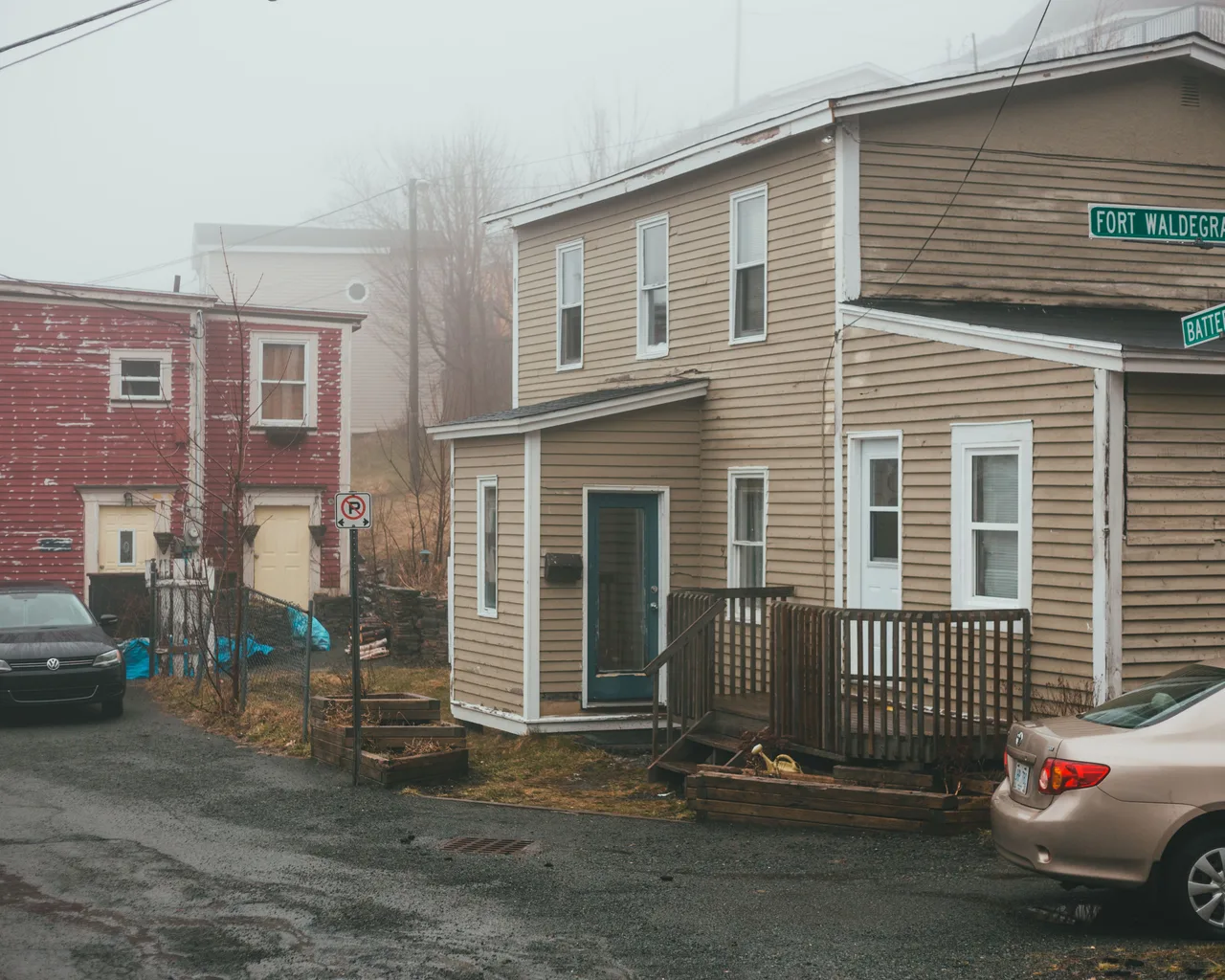
If the home has an oil tank, check its registration. Under the Heating Oil Storage Tank System Regulations, 2003, a heating oil tank of 2,500 litres or less must be inspected and registered by a provincially licensed inspector, who fixes a HOST tag with an expiry date to the vent pipe. It is illegal to fill or operate an unregistered tank, and single-wall steel tanks have age limits in the regulations. The province says a Confirmation of Registration "is often required by an insurance company to insure a home or by a lawyer/realtor when selling/purchasing", and you can request one free by email from PetroleumStorage@gov.nl.ca. Government of NL: Confirmation of Registration
Older wiring and panels
In an older home, ask the inspector to look closely at the electrical panel and visible wiring, and to note anything that should be reviewed by a licensed electrician.
Wind-driven rain, siding, windows and foundations
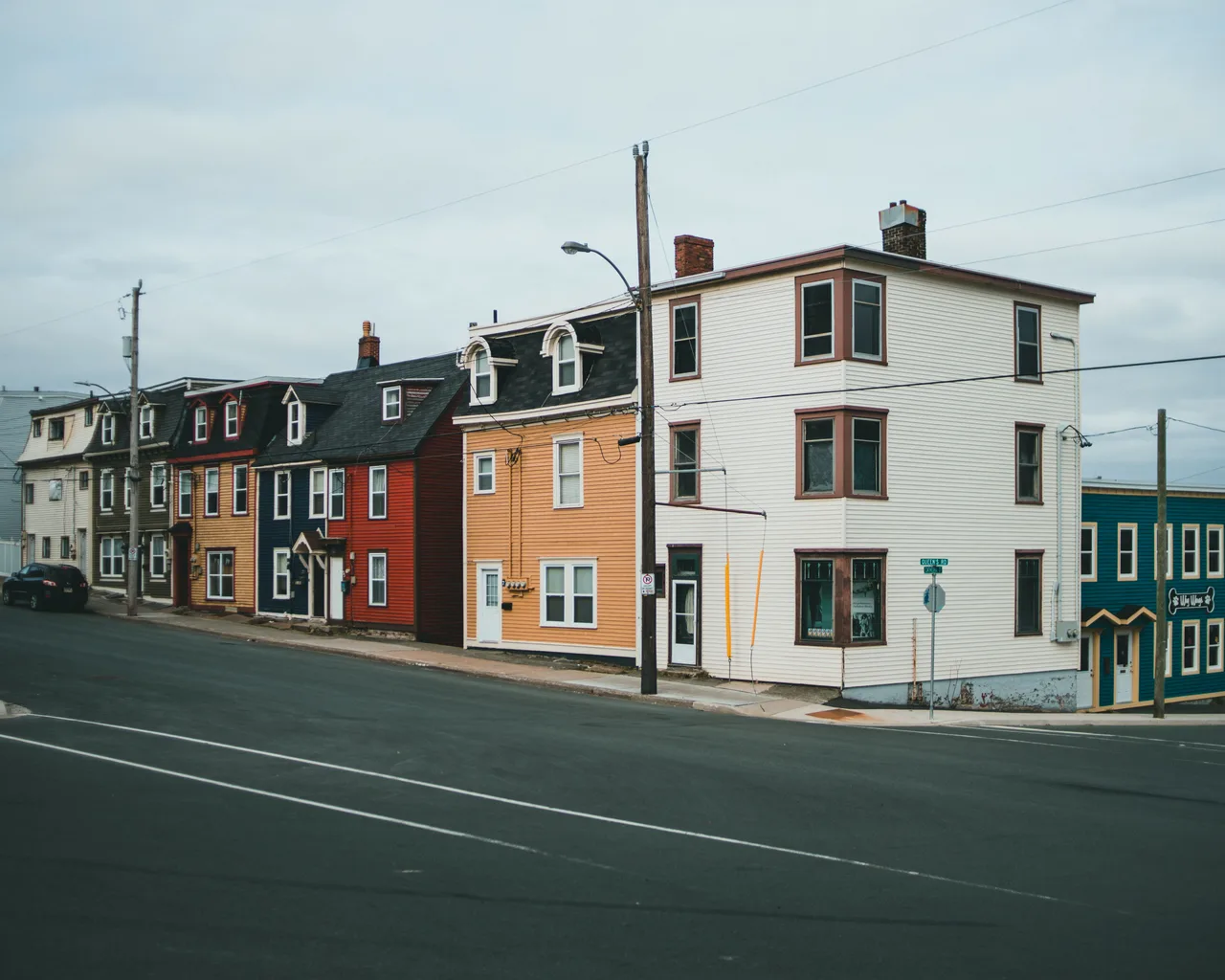
Wind and rain can find their way into a house. Ask the inspector to pay attention to siding, flashing, window seals and the foundation, and to look for signs of water getting in. Our guide to St. John's weather and seasons explains what homes here are up against.
Sewer laterals and basement water
Look for signs of past water in the basement, and ask the seller about any flooding or backups. Some buyers arrange a separate camera scope of the sewer line, which a standard inspection doesn't include.
Radon: Health Canada guideline and testing
Health Canada's radon guideline is 200 Bq/m³, measured as an annual average in the normal occupancy area of a home. If your level is above the guideline, Health Canada recommends taking action within a year, or sooner if the level is higher. Health Canada radon guideline The recommended long-term test runs at least 3 months (91 days) during the heating season, and 3 to 12 months is ideal. Health Canada measurement guide Because a proper test takes months, it usually happens after you move in.
Extra checks for two-apartment homes
In St. John's, adding an apartment or changing how a space is used needs a City building permit before work starts, and the owner is responsible for getting it. The City calls an in-house or basement apartment a "Subsidiary Dwelling Unit". When buying a home with an apartment, ask whether it was built with permits; your lawyer can check with the City. City of St. John's building permits Ask your inspector to comment on fire separation between the units too. Read more in our guide to buying a two-apartment home.
Reading the report and negotiating
Read the whole report, not just the summary, and ask the inspector to explain anything you don't understand. Separate safety issues and major items, such as the roof, foundation, heating or an unregistered oil tank, from routine maintenance. For major items, you might get a quote from a contractor before you decide how to respond. Then work with your REALTOR® on the next step. Budget for repairs alongside your other home buying costs, and see our guide to housing styles in St. John's for the building types you are likely to see.
Common questions about home inspections
Are home inspectors licensed in Newfoundland?
No. As of October 16, 2026, the province does not license home inspectors, so check credentials, insurance and references.
Should I test for radon in St. John's?
Health Canada recommends a long-term test of at least 3 months during the heating season. Its guideline is 200 Bq/m³.
What if the inspection finds an old oil tank?
Check the HOST tag and its expiry date, and ask for a Confirmation of Registration from the province.
Can I waive the inspection condition?
You can, but you would be buying without an independent look at the home's condition and would take on the risk of problems you didn't know about. Discuss it with your REALTOR® and lawyer first.
Sources
Official references checked October 16, 2026. Confirm what applies to your property with your lender, lawyer or municipality.