Jump to a section
Renting is how many people start out in St. John's, whether you are a student, a new worker or a family still deciding where to buy. This guide covers how renters find a place, what to check before you sign, and the rules in Newfoundland and Labrador's Residential Tenancies Act, 2018 that protect both tenants and landlords. It is general information, not legal advice. For a dispute or an official form, go to Landlord and Tenant, Service NL.
Where renters look and what "apartment" means here
Basement and two-apartment units vs purpose-built buildings
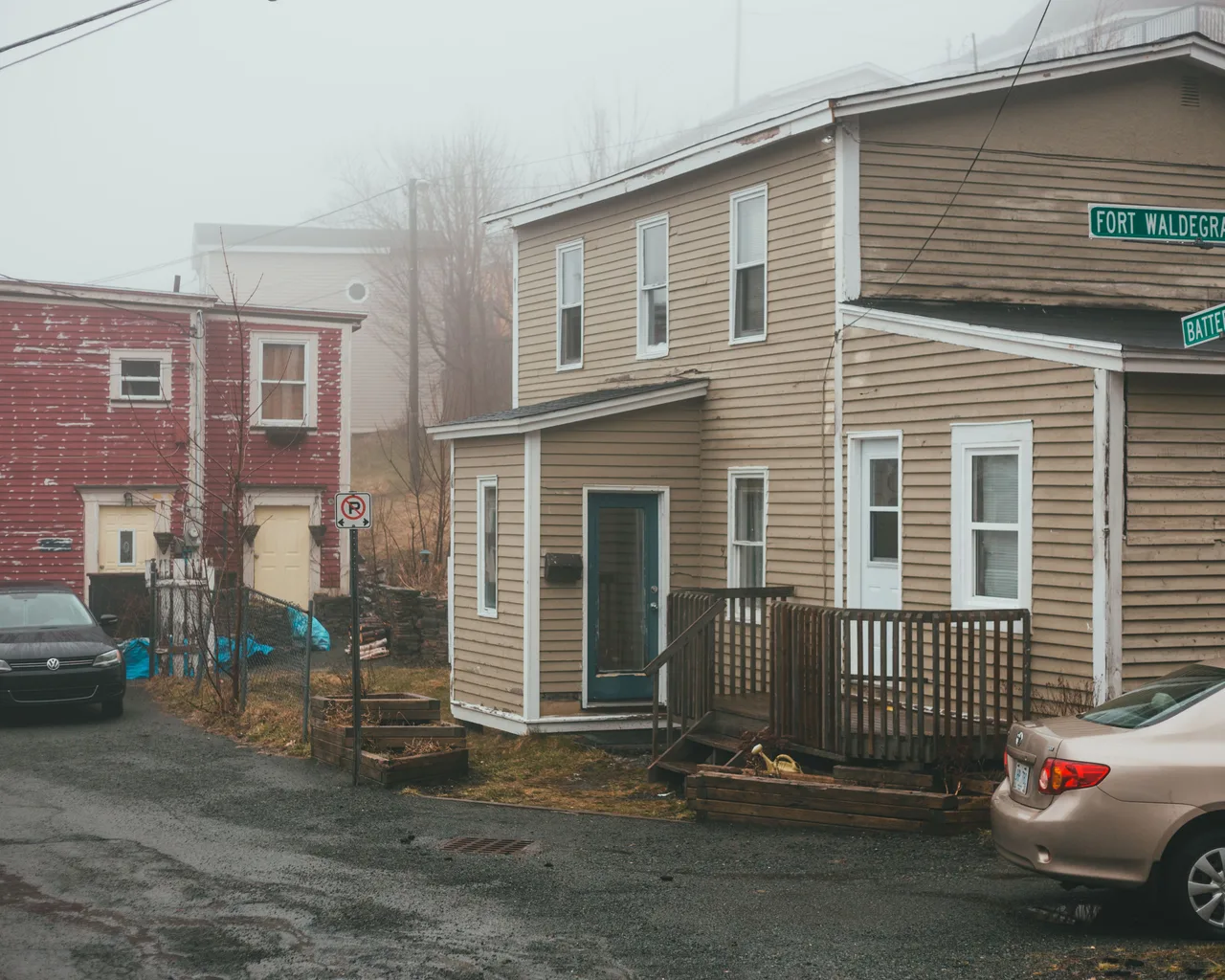
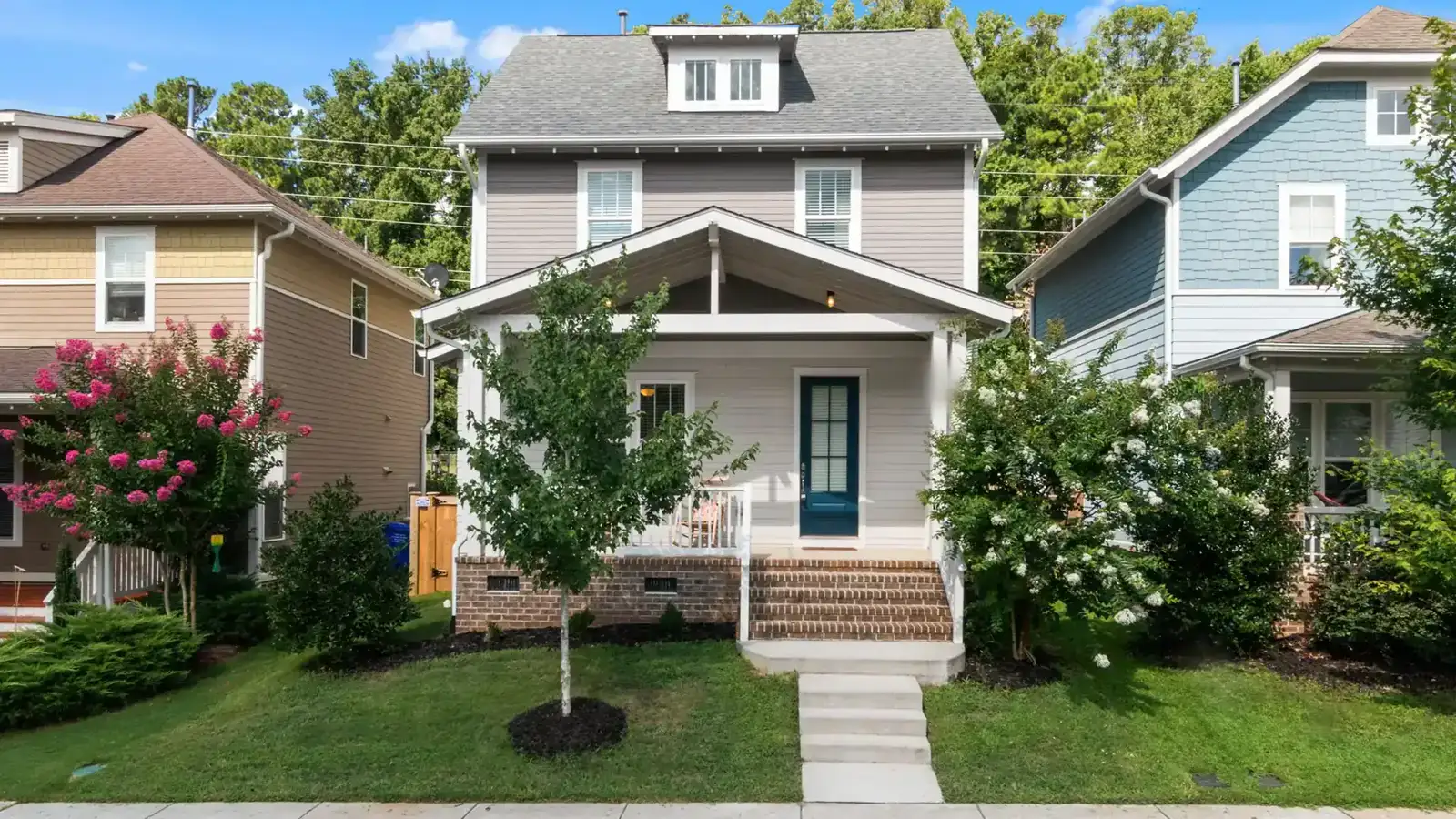
In St. John's, "apartment" often means a unit inside a house. Many homes are two-apartment houses: the owner lives upstairs and rents out a basement or ground-level unit, or rents both. There are also purpose-built apartment buildings and condo units rented by their owners. Each comes with different questions about noise, parking, entrances and who handles repairs. Our guide to housing styles in St. John's explains the common building types you will see in listings.
Areas renters weigh
Renters often compare downtown, the area near Memorial University (MUN), the streets near the Health Sciences Centre, and the west end. Think about your commute, your bus route, groceries and how the walk feels in winter. See how to choose a neighbourhood in St. John's for a framework, or browse homes near Memorial University to get a feel for the area.
What rent costs: CMHC figures
According to CMHC's October 2025 Rental Market Survey, average rent for a purpose-built apartment in the St. John's area was about $1,086 for a one-bedroom and $1,361 for a two-bedroom, with an apartment vacancy rate of 2.0%. Note that these figures cover purpose-built rental apartments only.
Source: CMHC Rental Market Survey, October 2025, St. John's CMA.
Viewing and applying
Documents landlords commonly ask for
Landlords commonly ask for photo ID, references from a past landlord or employer, and proof of income. Have copies ready before you book viewings so you can apply quickly when you find the right place. Share personal documents only with a landlord you have met and a unit you have seen.
Avoiding rental scams
- Never pay a deposit or first month's rent before you have viewed the unit
and seen a written rental agreement.
- Be wary of a "landlord" who is away and can only communicate by message.
- Check that the person showing the unit has the right to rent it.
- Get a receipt for every payment.
Your lease under the Residential Tenancies Act
Written rental agreements and the standard form
Tenancies in Newfoundland and Labrador are governed by the Residential Tenancies Act, 2018. Read your rental agreement before you sign it, and keep a copy. Service NL's Landlord and Tenant pages have the official forms and explain how the dispute process works.
Security deposits: cap, interest and return
- The deposit can be no more than three-quarters of one month's rent
for a month-to-month or fixed-term tenancy, and two weeks' rent for a week-to-week tenancy (s.14).
- The landlord must hold the deposit in an interest-bearing account and
credit the interest to you.
- The deposit must be returned within 10 days after you move out,
unless the landlord makes a claim against it.
Rent increases: frequency and notice
- Rent can go up no more than once every 12 months (s.16).
- There can be no increase during a fixed term, and none in the first 12
months of a new agreement.
- The landlord must give written notice at least 6 months ahead for a
month-to-month or fixed-term tenancy, or 8 weeks for week-to-week.
- An increase takes effect on the first day of a rental period.
Ending a tenancy: tenant and landlord notice
| Type of tenancy | Tenant notice to end | Landlord notice to end |
|---|---|---|
| Week-to-week | 7 days | 4 weeks |
| Month-to-month | 1 month before the end of a rental period | 3 months |
| Fixed term | 2 months before the end of the term | 3 months |
The Act also lets a tenant end a tenancy early on one month's notice in certain situations set out in s.18(8), such as ill health or loss of income, a move into a care home, or a death. Check the Act or ask Service NL whether your situation applies.
Heat, lights and other costs to ask about
Ask exactly what the rent includes before you sign. Whether heat and electricity are included varies from unit to unit. If they are not, you may need to open your own Newfoundland Power account. Also ask:
- Who pays for heat, and what kind of heating the unit has.
- Who clears snow from the driveway, steps and walkway.
- Whether parking is included, and whether it is off-street.
- Whether laundry is in the unit, shared or not available.
Getting around without a car
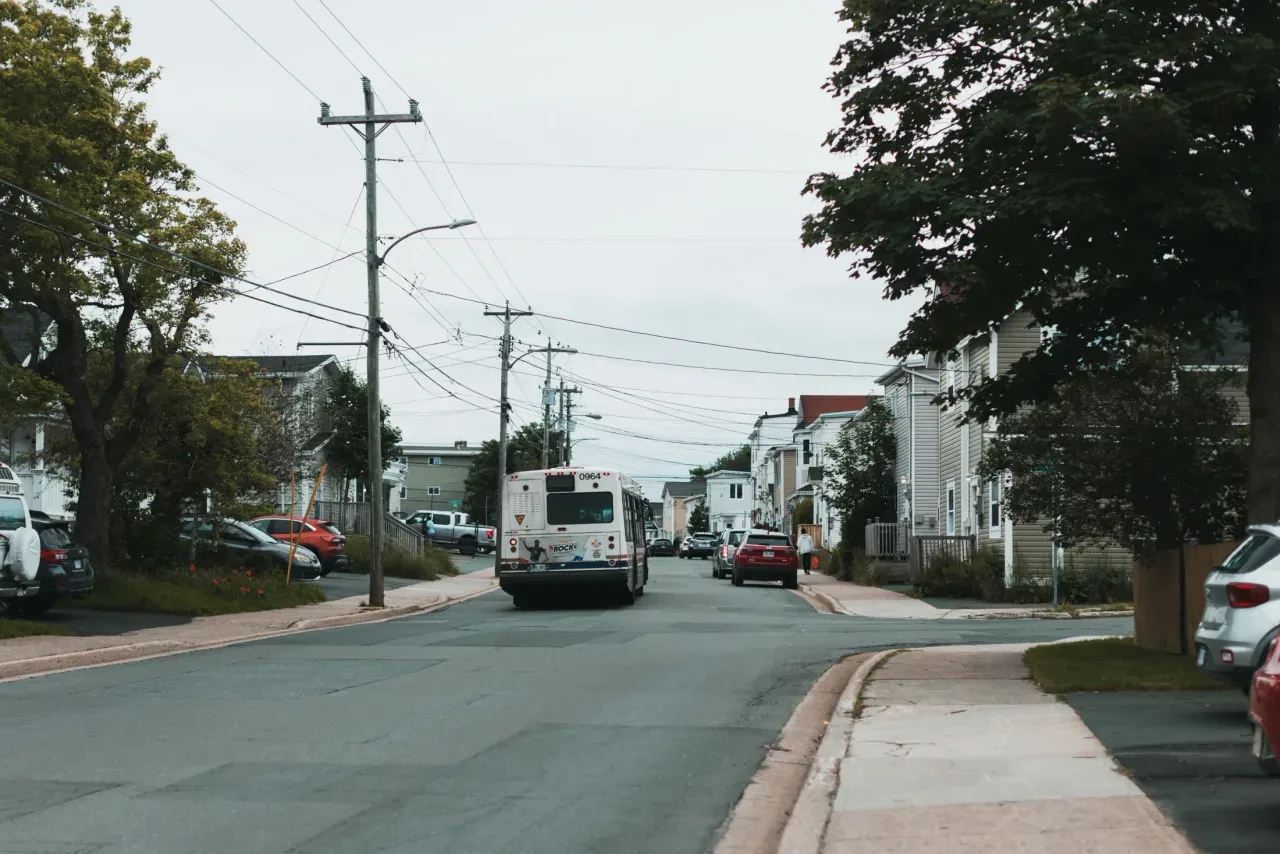
Many renters in St. John's get by without a car, especially downtown and near MUN. Metrobus runs the city's public transit. Our guide to getting around St. John's covers driving, transit and walkability.
When renting turns into buying
Renting first is a good way to learn the city before you commit. When you are ready to buy, start with the First-Time Homebuyer Guide for Newfoundland and our breakdown of home buying costs in St. John's. If you are interested in owning a home with a rental unit, read about two-apartment cash flow.
Common questions from renters
How much is a security deposit in Newfoundland?
No more than three-quarters of one month's rent, or two weeks' rent for a week-to-week tenancy.
How often can my landlord raise the rent in NL?
Once every 12 months at most, never in the first 12 months of a new agreement, and only with 6 months' written notice (8 weeks for week-to-week).
How much notice do I give to move out?
7 days for week-to-week, 1 month before the end of a rental period for month-to-month, and 2 months before the end of a fixed term.
When do I get my deposit back?
Within 10 days after you move out, unless the landlord makes a claim.
Is heat usually included in St. John's apartments?
It varies. Ask before you sign and get the answer in writing.
Where do I file a complaint against a landlord?
With Residential Tenancies at Service NL.
Sources
Official references checked October 16, 2026. Confirm what applies to your property with your lender, lawyer or municipality.