Two-Apartment Homes in St. John's, Mount Pearl and Paradise: How Rental Income Can Help a First Purchase, and What to Check Before You Buy
Buying
Two-Apartment Homes in St. John's, Mount Pearl and Paradise: How Rental Income Can Help a First Purchase, and What to Check Before You Buy
Two-apartment homes are a popular first purchase in the St. John's metro. See the current asking market, how rental income can help, and the checks that matter before you buy, from legal status to tenancy and condition.
By Felix OyelekeREALTOR · eXp Realty · Newfoundland & Labrador
October 30, 2026 · 6 min read
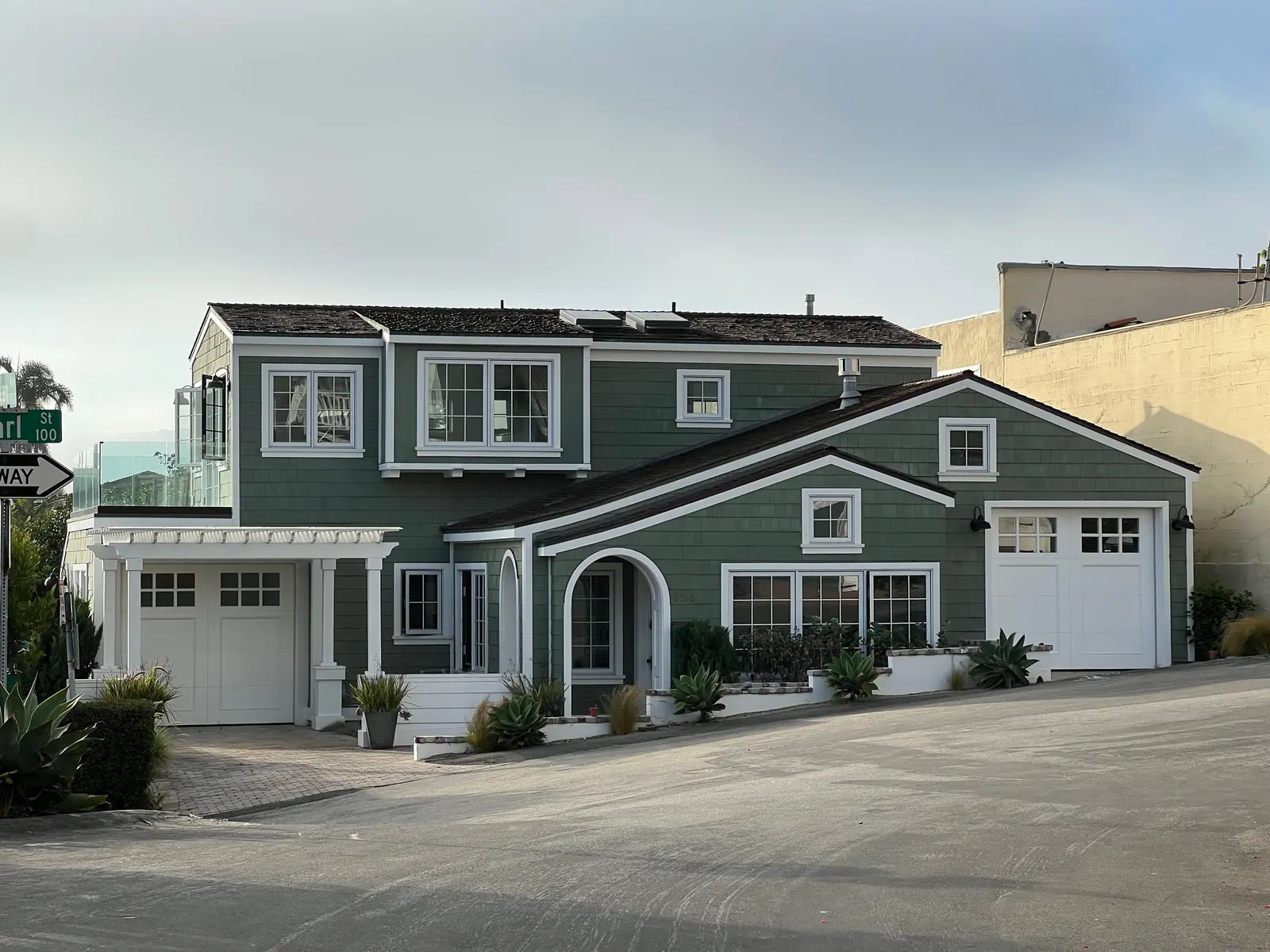
Two-storey suburban house with garage and driveway
Two doors under one roof, and why buyers keep choosing them
A two-apartment home is a house with two self-contained living units: typically a main unit you live in and a second unit you rent out. In the St. John's area, that second unit is often a basement apartment, an in-law suite, or a separate side unit. For a first-time buyer, the appeal is straightforward. Rent from the second unit helps carry the mortgage, and you build equity in a whole house rather than a single unit.
That appeal only holds if the home, the tenancy, and the financing all check out. This guide covers the current market, how the rental income actually helps, and what to verify before you make an offer.
What the market looks like right now
These figures come from stjohnsproperties.ca listings checked on October 30, 2026. They are asking prices for homes currently listed, not sold prices, and they will move as listings change.
155 two-apartment homes listed across the St. John's metro
Median asking price: $459,900
Asking price range: $149,900 to $1,300,000
Average time on market: 36 days
The largest community counts are 78 in St. John's, 42 in Paradise, 14 in Mount Pearl, 10 in Conception Bay South, and 5 in Torbay. St. John's and Paradise together account for most of the choice, which matches where two-apartment homes are most common in the metro.
A median asking price of $459,900 also puts the typical two-apartment listing under the $500,000 mark, where the minimum down payment is a straight 5% of the price, or $22,995 on a $459,900 purchase. That is the minimum, not the recommended down payment, and your lender will confirm what you qualify for.
Rental income helps in two ways, and it is important to keep them separate.
First, it helps your monthly cash flow. Once you own the home, rent from the second unit goes toward the mortgage, taxes, insurance, and upkeep. A home that looks tight on one income can become workable when a second unit is rented at a realistic rent.
Second, it can help you qualify for the mortgage. Some lenders will count part of the rental income from the second unit when they assess your application. How much they count, and what proof they want, varies by lender and by property. Do not assume a lender will count the full rent, and do not assume every two-apartment home qualifies the same way. Ask your lender, early, how they treat rental income for the specific property you are considering, and get the answer in writing before you firm up an offer.
The discipline that protects you is to underwrite on rent you can prove, not rent you hope for. Use the actual rent in place, or a rent supported by comparable rentals in the same area, and budget for vacancies, repairs, and the months when a unit sits empty between tenants.
What to check before you buy
Two-apartment homes reward careful buyers and punish rushed ones. Work through these checks before you offer, not after.
1. Is the second unit legal and registered?
Ask whether the second unit is registered with the city and whether it meets the applicable rules for a legal apartment. Registration status affects insurance, financing, resale value, and your ability to rent the unit lawfully. If the seller or listing cannot show the status clearly, treat that as an open question, not a detail. A home marketed as two-apartment is not automatically a legally registered two-apartment home.
2. Who lives there now, and on what terms?
If the second unit is tenanted, get the tenancy in writing: who the tenant is, what the rent is, whether there is a fixed term lease or a month to month arrangement, and what notices apply. A sale does not end a tenancy on its own, so you may be buying a home with a tenant you cannot move, and a rent you cannot change, until the lawful process allows it. If the unit is vacant, confirm that in writing too, and confirm what the seller knows about its rental history.
3. Is the second unit genuinely self-contained?
Look for a separate entrance, its own kitchen and bathroom, separate heating controls, and separate metering where applicable. A spare bedroom with a hot plate is not an apartment. The more genuinely separate the unit is, the easier it is to rent, to insure, and to resell.
4. What condition is the whole house in?
Two units mean two kitchens, two bathrooms, and often two heating systems, so maintenance costs run higher than a single unit home. Check the roof, the heating system, the electrical service, plumbing, drainage, and any history of water entry, especially in a basement unit. A home inspection is not a formality here. It is how you find out whether the second unit is an asset or a renovation bill.
5. What does the financing actually look like?
Confirm with your lender whether the property qualifies for the mortgage you want, whether rental income counts toward your application, and whether the appraisal supports the price. Two-apartment homes can appraise differently from single family homes, and an appraisal gap falls on the buyer. Confirm insurance as well, since a rented unit changes the policy.
6. What are the real monthly numbers?
Write out the full monthly picture before you offer: mortgage payment, property tax, insurance, heat and light for both units, water, maintenance, and a vacancy allowance. Then compare that total with the rent you can prove, not the rent in a listing headline. If the numbers only work at an optimistic rent with no vacancies and no repairs, they do not work.
The claims to be careful about
Be cautious with any listing or pitch that leans on a rent figure without showing how it was reached. Ask for the lease, the rent history, and whether utilities are included in that rent. A rent quoted as "potential" or "market" rent is not the same as rent actually being paid, and a lender will treat it differently too.
The same caution applies to the home itself. A second unit described as legal, registered, or fully self-contained should come with something to back that up. If the paperwork does not match the description, believe the paperwork and price the home accordingly.
Is a two-apartment home right for you?
It suits buyers who are comfortable being a landlord as well as a homeowner: handling tenants, repairs, and the occasional difficult month. It suits buyers less well if you want a home with no tenant responsibilities, or if the numbers only work with a rent you cannot prove. There is no shame in choosing a single family home instead. The right first home is the one whose monthly cost you can carry in a normal month, not just a perfect one.
The bottom line
Two-apartment homes are a real path to a first home in the St. John's metro, with 155 currently listed and a median asking price of $459,900. The rental income can genuinely help, but only when the unit is legal, the tenancy is clear, the condition is known, and the rent is real. Check those four things, get your lender's answer in writing, and you will know whether a particular two-apartment home is an opportunity or a risk.
General information only, not tax or legal advice. If you want to see what is currently listed, browse the two-apartment homes on stjohnsproperties.ca and ask about the registration and tenancy status of any home you are considering.


Comments
Loading comments…