At a glance
No
Provincial requirement for new home warranty
$70,000
Atlantic Home Warranty structural cap per home
$6,300
Maximum federal new housing rebate
15%
HST rate on new housing in this province
Jump to a section
Buying new is a different process from buying resale. You are buying something that may not exist yet, on a schedule someone else controls, with a warranty that is not a provincial guarantee, and a payment schedule that can put your money at risk long before you get keys.
This guide covers the four ways people buy new here, what belongs in a builder's agreement, what the warranty covers, how the money should be staged, what to check at the pre-delivery inspection, the difference between a building permit and an occupancy certificate, and how HST and the federal rebate work. Every rule comes from an official source and is linked. Rules change, so confirm anything time-sensitive with the builder, the municipality and your lawyer before you sign.
If you are comparing new builds now, start with the site's new builds page; the home buying costs guide covers the cash you need at closing.
1. What this site does and does not hold on new construction
This matters, because it shapes what you can conclude from anything you read here.
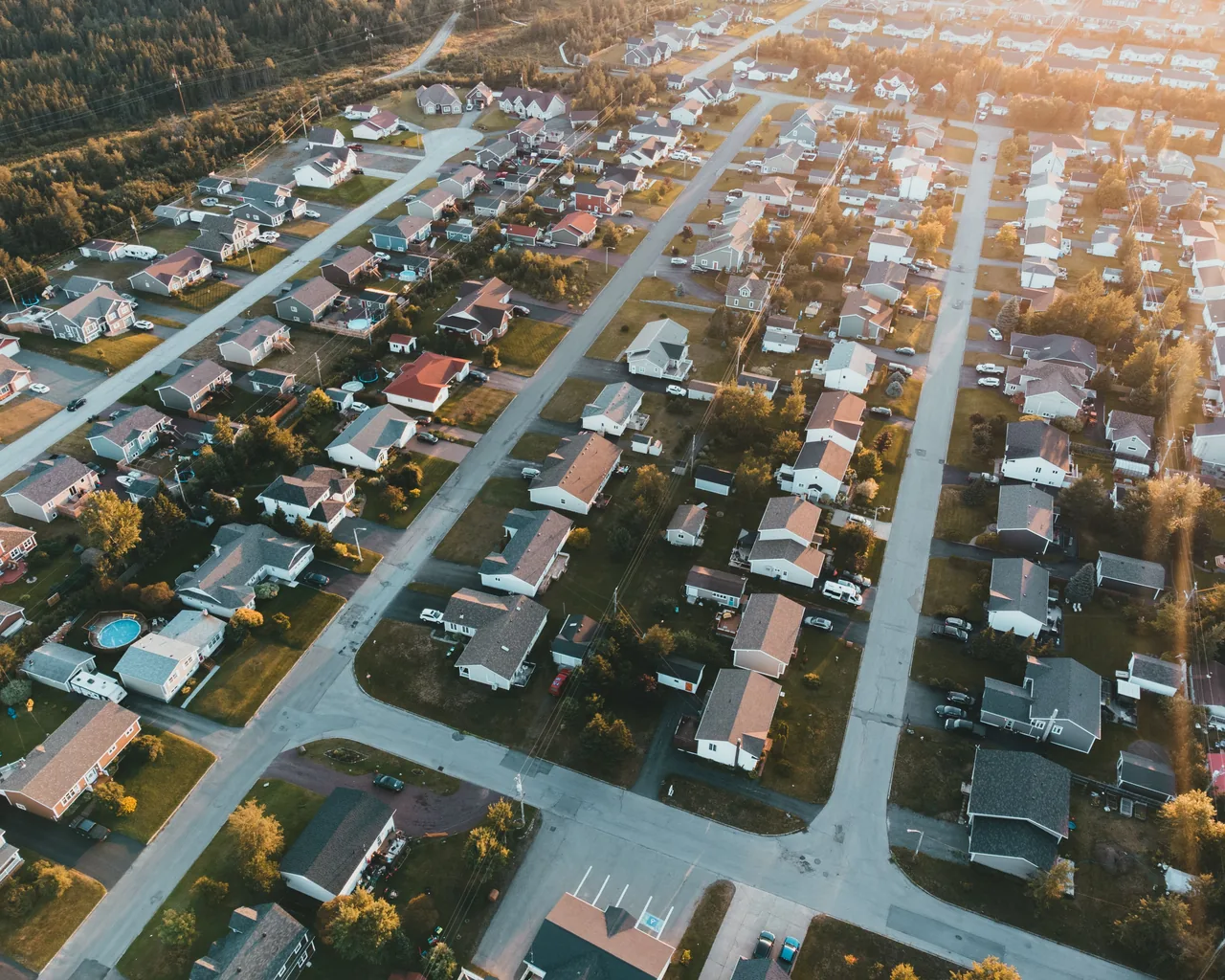
The site's property database covers the St. John's metro area: St. John's, Mount Pearl, Paradise and Conception Bay South. It tracks residential property only. On construction age, the year a home was built is recorded for the overwhelming majority of the roughly 5,800 records, and about 670 of those are homes built in 2024 or later. Most sit in St. John's, with substantial numbers in Paradise and Conception Bay South and fewer in Mount Pearl, and the split runs roughly two thirds single-family and one third two-apartment.
So the new builds page is a useful way to see what has recently been built and finished in this market, and how builders here lay out a house. What the site does not have is any coverage of Clarenville: there are no Clarenville records, so nothing here describes the Clarenville new construction market, its builders or its supply. If Clarenville is your area, use this guide for process and get local market information from a local source.
One further boundary. No sold prices appear in this article or anywhere public on this site. Prices, medians and price ranges are deliberately kept out of public views, so this is a guide to how the process works, not a price guide.
2. The four routes to a new home
People say "new build" to mean four different transactions, and each carries a different risk.
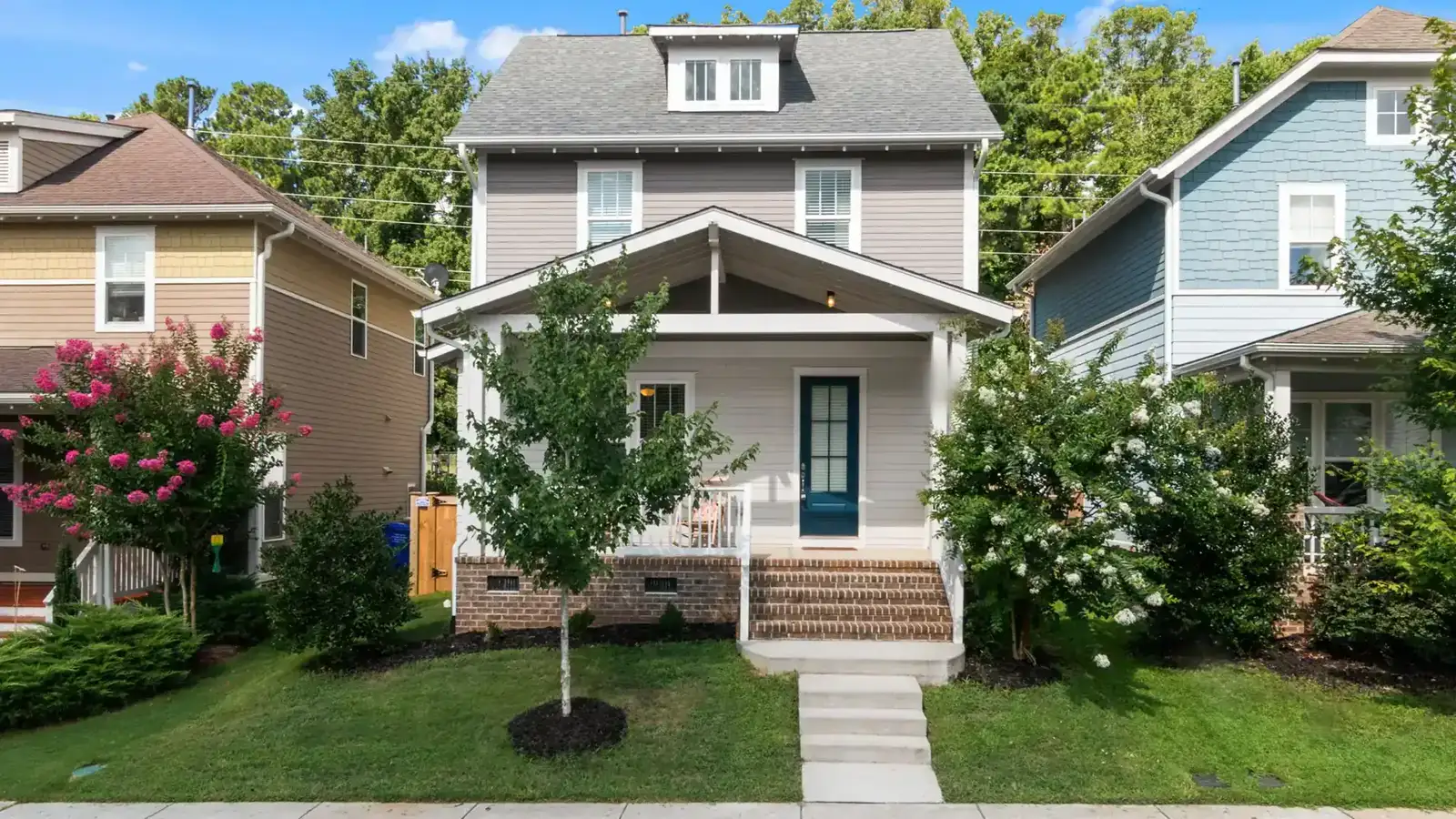
A completed spec home. Built without a buyer, finished or nearly finished. You see what you are buying, you can inspect it, and there is no allowance risk because the choices are made. The trade is that you did not choose the finishes.
A pre-sale from plans. You sign before or during construction, often choosing finishes from an allowance schedule. You get the layout you want and take on completion risk, allowance overruns, and the chance the finished house differs from the plan you were shown.
A custom build on your own land. The most control and the most risk: permits, servicing, site conditions and cost overruns land on you.
A recently built resale. A two or three year old house is, in practice, a new house with the defects already surfaced and warranty coverage often still running. You inherit a partly used warranty period, but you also inherit a house that has been through a few winters. For a buyer who wants new but does not want to manage a construction schedule, this is often the best-value route.
On pricing structure: "all-in" pricing that includes the lot is common among production builders here. Donovan Homes, for example, states its listed prices "include all taxes, fees and even the building lot." Donovan Homes: All-In Pricing That is the builder's representation about its own product. If you compare two builders, get in writing what each price includes: lot, HST, driveway, landscaping, appliances, permit fees and the rebate treatment in section 8.
3. What belongs in the builder's purchase agreement
A new build agreement is almost always the builder's own form, drafted for the builder, which is exactly why it needs your lawyer before you sign. These should be in it, in writing:
- The legal description of the lot, and confirmation the lot exists and is approved for the house.
- The house plan, elevation and specification, identified by revision and attached as a schedule.
- The purchase price, and precisely what it includes and excludes.
- The completion date, and what happens if the builder is late.
- The deposit amount, when it is due, who holds it and in what kind of account.
- The draw or payment schedule, tied to construction milestones.
- The allowance schedule, with a defined process and price for upgrades and changes.
- The warranty provider, the coverage, and whether it transfers to you.
- Your conditions: financing, satisfactory title, and any inspection you require.
- What happens if you default, and what happens if the builder defaults.
- Landscaping, driveway, grading and utility connection obligations, and when each is completed.
The City's permit framework shows why the specification schedule matters. Permit fees for one- and two-family dwellings are based on floor area: $8 per square metre above grade, $5 per square metre below grade and for attached garages, and $3 per square metre for unfinished below-grade areas, with a $1,000 refundable landscaping deposit before permit approval or issuance. City of St. John's: Building Permits The floor area on the permit is the floor area you pay for. Check that the two agree.
The questions to ask the builder before you sign
- Is this house already permitted, and can I see the permit number?
- What is the completion date, and what is the remedy if it slips?
- Who holds my deposit, and is it held in trust?
- Is this specific home enrolled in a new home warranty, and can I see the certificate before I pay?
- What is the allowance for each item, and what is the upgrade price list?
- What is not included that I would assume is included?
- Is the HST rebate already credited in this price?
- Who completes the final grade and landscaping, and when?
- What is the process if I want a change after signing?
- Which inspection stages will I be told about, and can I attend?
4. New home warranty: what it is, and what it is not
Buyers most often assume something untrue here, so it is worth being precise.
Newfoundland and Labrador does not have legislation requiring a builder to provide a new home warranty. CMHC's provincial fact sheet answers directly: no, legislation does not require developers to provide one, "but developers may offer one through a third-party home warranty program." CMHC: Newfoundland and Labrador fact sheet
The warranty is therefore a contract, and its value depends on which program, which builder and what the certificate says.
The main provider operating in this province is Atlantic Home Warranty. Its published base coverage for homes is:
| Coverage | Period | What it covers |
|---|---|---|
| Builder liability | 1 year | Defects in materials and labour the builder supplied |
| Delivery and distribution systems | 2 years | Electrical and plumbing distribution systems |
| Major structural defect due to water penetration | 3 years | Foundation water protection, qualified builders |
| Major structural defect | 10 years | $70,000 per home, including engineering fees |
| Living out allowance | Per agreement | If the home is uninhabitable due to a major structural defect |
| Conciliation | First year | Dispute service for homeowner or builder |
Source: Atlantic Home Warranty: warranty coverage for homes Checked November 1, 2026.
Read the fourth row carefully. Major structural defect coverage is capped at $70,000 per home, including engineering fees. On a house where the structure is the problem, that is a ceiling, not a promise to rebuild.
Three conclusions follow.
Do not describe this as a provincial warranty. It is not one, and Ontario's Tarion program does not apply here. A buyer expecting Tarion-style protection is expecting a program that does not exist in this province.
Confirm the specific home is enrolled, not just that the builder is a member. Ask for the enrolment certificate and the warranty agreement before you pay a deposit.
Check transferability. If you sell inside the coverage period, the remaining warranty is part of what your buyer is purchasing, and it affects your price. Get the transfer terms at the start.
One lever worth knowing: CMHC, when it insures new construction financing, requires a new home warranty in place "for all new homes," with evidence of enrolment in a recognized program "in all provinces and territories where such programs are available," even where provincial law does not mandate it. CMHC Improvement With an insured mortgage, that requirement is useful pressure to make sure the warranty exists.
5. The deposit and the draw schedule
Never pay the full price up front. On a pre-sale or custom build, money should be released in stages against completed work, each verified before the next payment.
CMHC's framework for insured new construction is a useful model even with conventional financing. Advances are made by "progress advance," validated either by CMHC (full service, up to four consecutive advances) or by the lender without CMHC pre-approval (basic service), and CMHC requires the lender to hold control of the entire building during construction and to consider the borrower's capacity to cover cost overruns. CMHC Improvement
The stage table below follows the inspection sequence in the City of St. John's Building By-Law. The payment column is illustrative: your own schedule is whatever your agreement and lender set.
| Stage | City inspection milestone | Verify before paying | Illustrative |
|---|---|---|---|
| Deposit and contract | Permit applied for, lot approved | Lot, plan, specification, warranty enrolment | 5% |
| Excavation and footings | Grades and setbacks set; excavation before footing placement | Grades match the approved plan | 10% |
| Foundation and drain tile | Foundation and drain tile before backfill; location certificate | Location certificate obtained, drainage detailed | 15% |
| Framing and lock-up | Framing before insulation; plumbing and electrical rough-in approved; cladding complete | Rough-in sign-offs, framing inspection passed | 20% |
| Insulation and drywall | Insulation and vapour barrier before drywall | Insulation inspection passed | 15% |
| Finishes | Cabinetry, trim, mechanical commissioning | Walkthrough, deficiencies listed | 20% |
| Pre-delivery inspection | All construction complete before occupancy | PDI done, deficiencies scheduled in writing | 10% |
| Closing | Occupancy Certificate issued; site requirements complete | Certificate in hand, documents delivered | 5% |
Inspection stages: City of St. John's Building By-Law 1438 Under that By-Law, inspection requests must be made at least two City working days before the day required, and a $100 fee may be applied if a stage inspection has to be repeated because the previous stage was not completed properly.
Builders vary: some use four stages, some eight. The number is not the point. Three things are: every payment ties to a verifiable milestone, you or your lender inspect before releasing funds, and a holdback stays with the lawyer until deficiencies are cleared.
6. The site visit and the pre-delivery inspection
The pre-delivery inspection is your last chance to record what is wrong before you own it. Treat it as an inspection, not a handover ceremony.
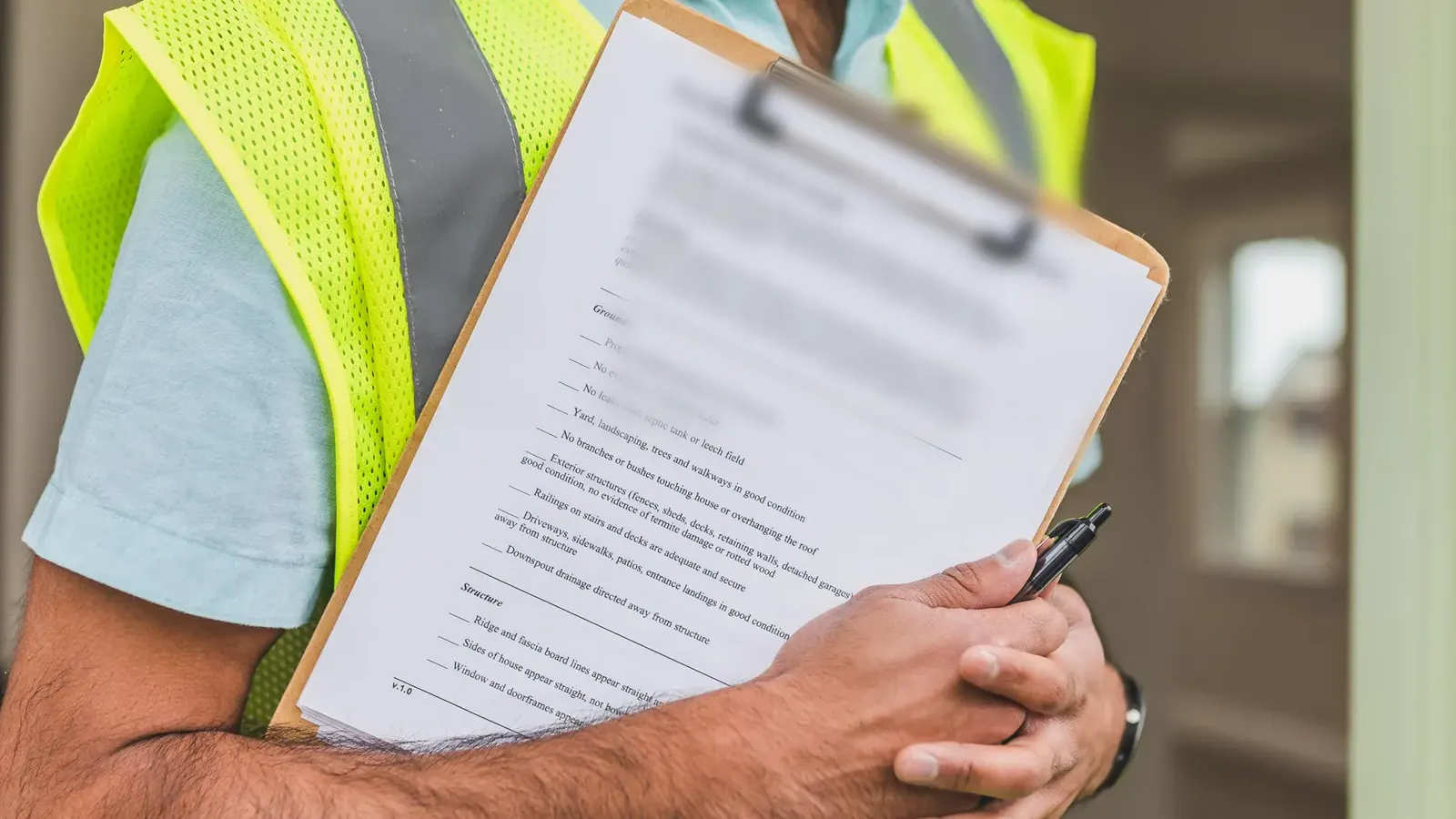
Bring a clipboard and a phone camera, and photograph every deficiency with something in frame for scale. Then work through the house systematically:
- Run every tap, drain, toilet, shower and appliance.
- Test every switch, outlet, light and heating zone.
- Open and close every window and exterior door, and check locks and screens.
- Run the heat and hot water, and confirm the temperature actually rises.
- Look along the top of basement walls and at ceilings for staining, and at the floor around the mechanical equipment.
- Check the grade outside against the house: the ground should slope away, and downspouts should discharge clear of the foundation.
- Confirm the driveway, walkway and landscaping match the agreement.
- Ask for manuals, the warranty certificate and the names of the trades.
- Get the deficiency list signed and dated, with a completion date against each item.
Then consider a second opinion. Hiring your own inspector on a new build is not a criticism of the builder. It is a second set of eyes on the largest purchase most people ever make, at the point when fixing things is still someone else's obligation.
7. Building permit, occupancy certificate, and how to confirm the sign-off
These are two different documents, and buyers routinely conflate them.
A building permit authorises construction. In St. John's you need one before work begins, and even if a contractor is doing the job, the property owner is responsible for obtaining it. City of St. John's: Building Permits
An Occupancy Certificate confirms the building may be occupied. The By-Law is explicit: "No building erected, constructed, changed, altered, extended or repaired shall be occupied in whole or in part until an Occupancy Certificate has been issued by the inspector." The inspector may issue a Conditional Occupancy Certificate where there are no immediate life safety, accident or health hazards, and may refuse a certificate where final approvals from other agencies are outstanding, deficiencies are uncorrected or fees are unpaid. City of St. John's Building By-Law 1438
Three practical consequences:
- A conditional certificate means something is outstanding. Ask what, and get the completion date in writing.
- On a private well or septic system, Service NL must issue a final inspection and Certificate of Approval before the City can issue an Occupancy Certificate. City of St. John's: Building a House
- Ask for the occupancy document at closing, with a date. "It's with the lawyer" without a date is not an answer.
To confirm a home was signed off, contact the City's permit counter at 709-576-8565 or permits@stjohns.ca and ask for the permit history and inspection record for the civic address.
8. HST, and the new housing rebate
New housing is taxed differently from resale, and the rebate mechanics are specific.
The HST rate in Newfoundland and Labrador is 15%, being 5% federal and a 10% provincial portion. Government of Newfoundland and Labrador: HST
The GST/HST new housing rebate lets an individual recover some of the GST or the federal part of the HST paid on a new or substantially renovated house used as their or a relation's primary place of residence. The rebate is 36% of the federal portion, capped at $6,300, and it phases out between $350,000 and $450,000 of fair market value, with no federal rebate at $450,000 or more. It is not available to corporations or partnerships. CRA: Guide RC4028, GST/HST New Housing Rebate The guide was revised in October 2026, so read the current version.
There is also a first-time home buyers' GST/HST rebate. The CRA describes it as providing a full or partial rebate of the GST or federal part of the HST, and says that combined with the existing new housing rebate a first-time buyer may recover 100% of the federal portion on homes valued at or under $1 million, phasing out between $1 million and $1.5 million. CRA: Guide RC4028
Two things buyers get wrong.
The rebate is usually already in the price. Builders commonly credit the rebate and take an assignment of your right to claim it, which is why an all-in price can look lower than the arithmetic suggests. Ask directly whether the rebate is included in the number you were quoted, and read the assignment clause.
The provincial portion is not part of the federal rebate. In this province the 10% provincial part is not in the federal rebate calculation, and there is no equivalent universal provincial new housing rebate here. Confirm your own eligibility and amount with your lawyer or accountant, using the CRA forms rather than a rule of thumb.
9. Allowances, upgrades and change orders
An allowance is a budget line, not a promise. If the flooring allowance is a set amount and your selection costs more, you pay the difference, usually at the builder's markup and usually at a point where you are too committed to walk away.
Four protections:
- Get the allowance schedule in writing before you sign, itemised by category with a unit of measure.
- Get the upgrade price list at the same time, so a change has a price before you fall in love with it.
- Require a written change order for every change, signed by both parties, showing cost and schedule impact before the work happens. No verbal changes.
- Ask what happens to unused allowance. Some builders credit it, some do not.
The City's By-Law reinforces the paperwork point. If work deviates from the approved plans in a way affecting construction or the essentials of the building, written notice and the inspector's written approval must be obtained before the change is made. City of St. John's Building By-Law 1438 A change that never reaches the permit can surface as a problem at the occupancy stage, and again at resale.
10. Lot grading, drainage and landscaping
The least glamorous section, and the source of the most expensive surprises.
The City requires house grades to be established to suit the lot and the design so that surface runoff drains away from the house, neighbouring lots are not affected and water and sewer lines are accessed correctly, and in subdivisions there is usually an approved grading plan setting house grades, yard grades and slopes. City of St. John's: Building a House
Before closing, confirm:
- The finished grading matches the approved grading plan.
- The landscaping deposit obligation has been met, since a $1,000 refundable landscaping deposit applies to one- and two-family dwellings before permit approval or issuance. City of St. John's: Building Permits
- Where downspouts discharge, and whether the lot falls away from the foundation.
- Whether the driveway drains to the street or ponds against the garage.
- Whether the lot is on the low side of the street, and what that means in a January thaw.
- Who is responsible for final grade if it is not complete at closing, and by when.
The By-Law includes final site completion, covering grading, landscaping or paving, as its own inspection stage. City of St. John's Building By-Law 1438 Ask to see that the final site inspection was completed, not only the building inspection.
Questions buyers ask about new builds
Does Newfoundland and Labrador require a new home warranty?
No. CMHC's provincial fact sheet states there is no legislative requirement, though developers may offer coverage through a third-party program. CMHC Do not assume coverage exists. Ask for the certificate.
Is Atlantic Home Warranty the same as Tarion?
No. Tarion is Ontario's program and does not apply here. Atlantic Home Warranty's published base coverage is one year of builder liability, two years on distribution systems, three years on major structural defects due to water penetration, and ten years on major structural defects, capped at $70,000 per home including engineering fees. Atlantic Home Warranty
How much deposit should I pay before construction starts?
There is no single provincial rule. What matters is that the deposit is held in trust, applied to your purchase, and recoverable if the builder does not perform. Ask your lawyer where the money sits and what happens to it on default.
Do I need my own inspection on a new house?
It is not required. It is also the cheapest insurance you will buy on a house. An independent inspection before closing catches what the builder's own walkthrough does not.
Can I claim the HST rebate myself?
Possibly. It depends on whether the builder credited it in the price, whether you are an individual, and whether the home is your primary residence. The CRA's Guide RC4028 sets out eligibility and forms, and the builder's assignment clause decides who claims what.
Does this site have data on new construction in Clarenville?
No. The property database covers St. John's, Mount Pearl, Paradise and Conception Bay South, and holds no Clarenville records. For Clarenville, use this guide for process and get local market information locally.
Sources
Official references checked November 1, 2026. Confirm what applies to your property with your lender, lawyer or municipality.
- Donovan Homes: All-In Pricing
- City of St. John's: Building Permits
- CMHC: Newfoundland and Labrador fact sheet
- Atlantic Home Warranty: warranty coverage for homes
- CMHC Improvement
- City of St. John's Building By-Law 1438
- City of St. John's: Building a House
- Government of Newfoundland and Labrador: HST
- CRA: Guide RC4028, GST/HST New Housing Rebate